
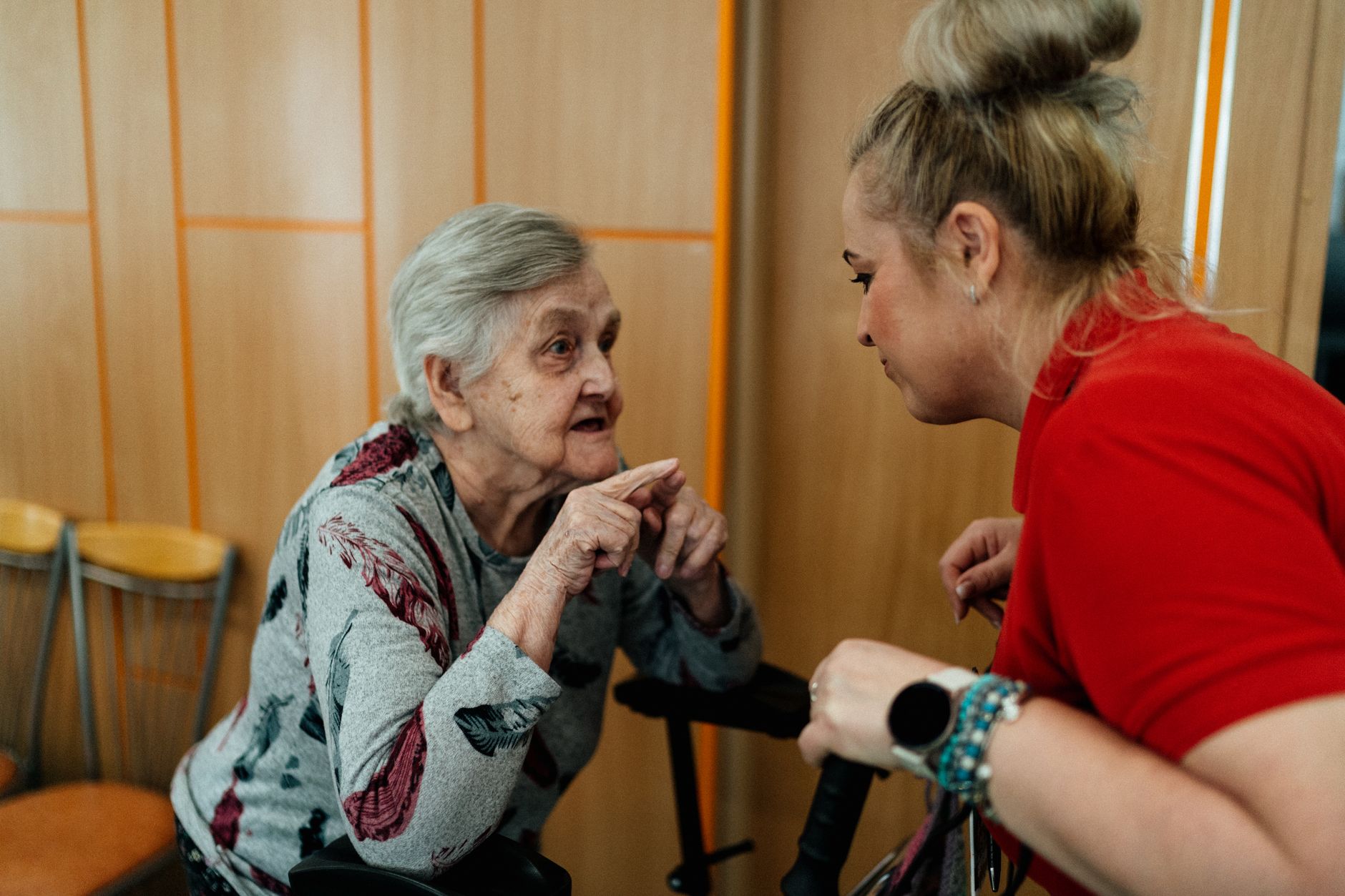
Carers Allowance How to Claim: A Practical Guide for UK Carers
Carers allowance how to claim is the question that stops most unpaid carers in their tracks, usually somewhere between the second cup of tea and the third government web page. The short version of carers allowance how to claim is this: you apply once, online or by post, and a single form decides whether you receive a weekly payment plus National Insurance credits that protect your State Pension. The longer version involves eligibility rules, earnings limits and a few traps that cost people money every week. This guide walks through the qualifying conditions, the documents you need, the realistic processing times and the knock-on effects on other household benefits. It also covers the local support that often matters more than the payment itself, because in most UK towns the practical help sits in church halls and community centres rather than in a government portal.
Who Qualifies for Carer’s Allowance in the UK
Eligibility rests on three pillars: the hours you care, the benefit the person you care for receives, and what you earn. You must provide at least 35 hours of care each week, which includes cooking, washing, shopping, managing medication and sitting with someone who cannot safely be left alone.
The person receiving care must already hold a qualifying disability benefit, such as the daily living component of Personal Independence Payment, Attendance Allowance, or the middle or highest care rate of Disability Living Allowance. Without that award in place, your application fails regardless of how many hours you genuinely put in each week.
You also need to be sixteen or over, outside full-time education of 21 hours a week or more, and you must meet residence and immigration conditions. Only one person can be paid for caring for the same individual, so families sharing the load have to decide between themselves who applies.
The 35-Hour Rule and the Earnings Limit
Earnings are assessed after tax, National Insurance and half of any pension contributions, and up to half of childcare costs paid to someone outside your family can be deducted as well. Crossing the weekly earnings threshold by a single pound removes the entire payment, which makes an extra overtime shift a genuinely expensive decision.
The 35 hours do not have to fall in tidy blocks. Broken nights, medication rounds, hospital transport and the endless phone calls to arrange appointments all count, provided the care relates to the person receiving the qualifying benefit. Keep a rough diary for the first month in case a decision maker queries your figures.
Carers Allowance How to Claim: The Application Step by Step
The online service is the fastest route and takes roughly 30 minutes if your paperwork is ready. A postal form is available for anyone who prefers paper or has patchy broadband, though it adds a week or two before the office even opens your envelope and registers the claim.
A claim can be backdated by up to three months, and it can also be dated from when the disability benefit was awarded if that decision arrived late. Anyone advising on carers allowance how to claim will tell you to apply the moment the qualifying award is confirmed in writing.
After submission you receive an acknowledgement, then a decision letter. Straightforward cases are settled within a few weeks, complicated ones take longer, and payments run weekly in advance or every four weeks into your account. Keep a copy of everything you send, including the online submission reference number.
Documents to Gather Before You Start
Assembling the paperwork first turns a frustrating afternoon into a half-hour job. The form asks about your income, your caring routine and the person you support, and guesswork causes delays, because every unclear answer generates a follow-up letter that can add weeks to your decision.
- Your National Insurance number, bank account details and sort code
- The date of birth, address and National Insurance number of the person you care for
- Recent payslips, employment dates and a P45 if you have recently left a job
- Details of any course you study, including weekly supervised study hours
- Evidence of deductible expenses such as childcare payments or pension contributions
What the Payment Is Worth and What It Affects
The weekly rate is set by government and reviewed each April, so treat any figure quoted online as a starting point rather than gospel. The National Insurance credit attached to every week of entitlement is the quieter benefit, protecting the qualifying years that sit behind your future State Pension.
Because of the overlapping benefits rule, you cannot usually receive the allowance on top of a full State Pension. Underlying entitlement may still apply, which can unlock extra amounts inside Pension Credit or Housing Benefit, so pensioners should always claim rather than assume the answer will be no.
The payment counts as taxable income and feeds into household means tests. It can add a carer element to Universal Credit worth considerably more than the allowance itself, while sometimes removing a severe disability premium from the person you care for. Model both sides of that equation before you submit.

| Area affected | What usually happens |
|---|---|
| State Pension | Overlapping benefits rule applies; underlying entitlement may still help |
| Universal Credit | Carer element can be added, often the larger financial gain |
| Council Tax | Carers meeting set conditions may be disregarded, reducing the bill |
| Severe disability premium | The cared-for person can lose it once the allowance is paid |
| Income tax | Taxable, though rarely taxed if it is your only income |
Local Support That Stretches a Carer’s Budget
Money runs tight when caring cuts your paid hours. The uk food bank referral process normally starts with a voucher from a GP, health visitor, social worker or Citizens Advice, which you exchange for a parcel covering three days of meals at a local distribution centre.
Plenty of carers quietly search community fridge how it works before visiting one. Surplus stock from supermarkets and bakeries is chilled in a shared fridge inside a church hall or community hub, free to take, with no voucher, no means test and no questions asked at the door.
Second-hand shopping saves real money: a winter coat for £8, a slow cooker for £6, school shoes for £4. Lists of the best charity shops in london circulate for good reason, and the same hunting instinct pays off in any market town where furniture and kitchenware arrive weekly.
Clearing wardrobes works both ways, and donating clothes to charity uk shops funds the hospice or hospital that may already support your household. If you want to start a carers coffee morning, village hall hire cost uk figures usually land between £8 and £25 an hour, frequently waived for community groups.
Giving Back Without Burning Out
Isolation wears carers down faster than the physical work does. Asking how to volunteer at food bank sessions is a low-commitment route back into company: most teams want two or three hours on a fixed day, sorting donations, packing parcels or making tea for visitors.
Growing projects suit anyone who needs fresh air and flexible hours. Starting a community garden uk style means finding disused land, securing a licence from the landowner and recruiting a dozen neighbours; parish council meeting rules uk allow residents to speak during public participation, which is how most plots get approved.
Formal roles carry real weight on a CV after years away from paid work. How to become a school governor is a matter of applying to the clerk, passing a DBS check and committing to roughly six meetings a year, while a neighbourhood watch scheme how to start pack comes free from your local policing team.
Bigger ambitions need structure behind them. How to run a village fete comes down to public liability insurance, a licence for the raffle and enough volunteers on the gate. If the cause outgrows a single event, how to set up a charity involves a governing document, trustees and registration with the Charity Commission.
How Long Does a Carer’s Allowance Claim Take to Be Decided?
Most straightforward claims are decided within three to six weeks, though busier periods push some cases closer to twelve. The date you apply protects your money even when the decision drags, because any award is paid from that date as arrears in a single lump sum. If nothing arrives after six weeks, telephone the Carer’s Allowance Unit with your reference number and ask for a progress note on the file. Should the decision go against you, request a mandatory reconsideration in writing within one month, attaching a care diary, appointment letters and anything showing the 35 hours you provide each week.
Is Carer’s Allowance Taxable and Will It Reduce My Other Benefits?
The allowance counts as taxable income, but if it is your only income you will almost certainly pay nothing, since it sits well below the personal allowance. The bigger issue is interaction. It reduces Universal Credit pound for pound, yet triggers a carer element that usually leaves the household better off overall. It can also remove the severe disability premium from the person you care for, which sometimes costs more than you gain, particularly where that person lives alone and has no other carer claiming for them. Ask a local welfare rights adviser to run a full better-off calculation before you submit anything.
What Happens to My Payments if I Take a Break from Caring?
Short breaks are allowed. You can normally keep the payment during up to four weeks away from caring in any 26-week period, rising to twelve weeks if you are in hospital yourself, provided at least four of those weeks are hospital-related. Respite, holidays and family emergencies all fall inside that allowance, so booking a week away does not automatically cost you money. Different rules apply when the person you care for goes into hospital, because their disability benefit can stop after 28 days and your entitlement ends with it. Report every change promptly in writing; overpayments are recovered in full, and penalties apply to late notifications.