
Canal Towpath Volunteer Roles UK: The Complete Local Guide
Britain’s 2,000 miles of navigable waterway are kept walkable by unpaid hands, which is why canal towpath volunteer roles UK charities advertise are often filled within a fortnight. Anyone can join: the Canal & River Trust, the Inland Waterways Association and dozens of independent restoration societies between them coordinate several thousand regular volunteers across England and Wales, while Scottish Canals and Waterways Ireland run parallel schemes. The work ranges from ninety minutes of litter-picking on a city-centre stretch to full weekends of lock-gate painting, hedge-laying and Himalayan balsam clearance. This guide sets out what each role actually involves, what it costs you in time and kit, how the recruitment process works, and how towpath work sits alongside other local commitments such as parish duties, food bank shifts and community growing projects. Expect practical numbers, honest comparisons and no romantic nonsense about the good life afloat.
What Towpath Volunteering Actually Involves
Waterway charities split their towpath work into three broad families: vegetation and habitat management, built-heritage maintenance, and visitor-facing work. The first covers scrub clearance, reed cutting and invasive species control. The second means painting lock beams, repointing brickwork and clearing bywash channels. The third puts you on a stall or a trip boat, talking to walkers.
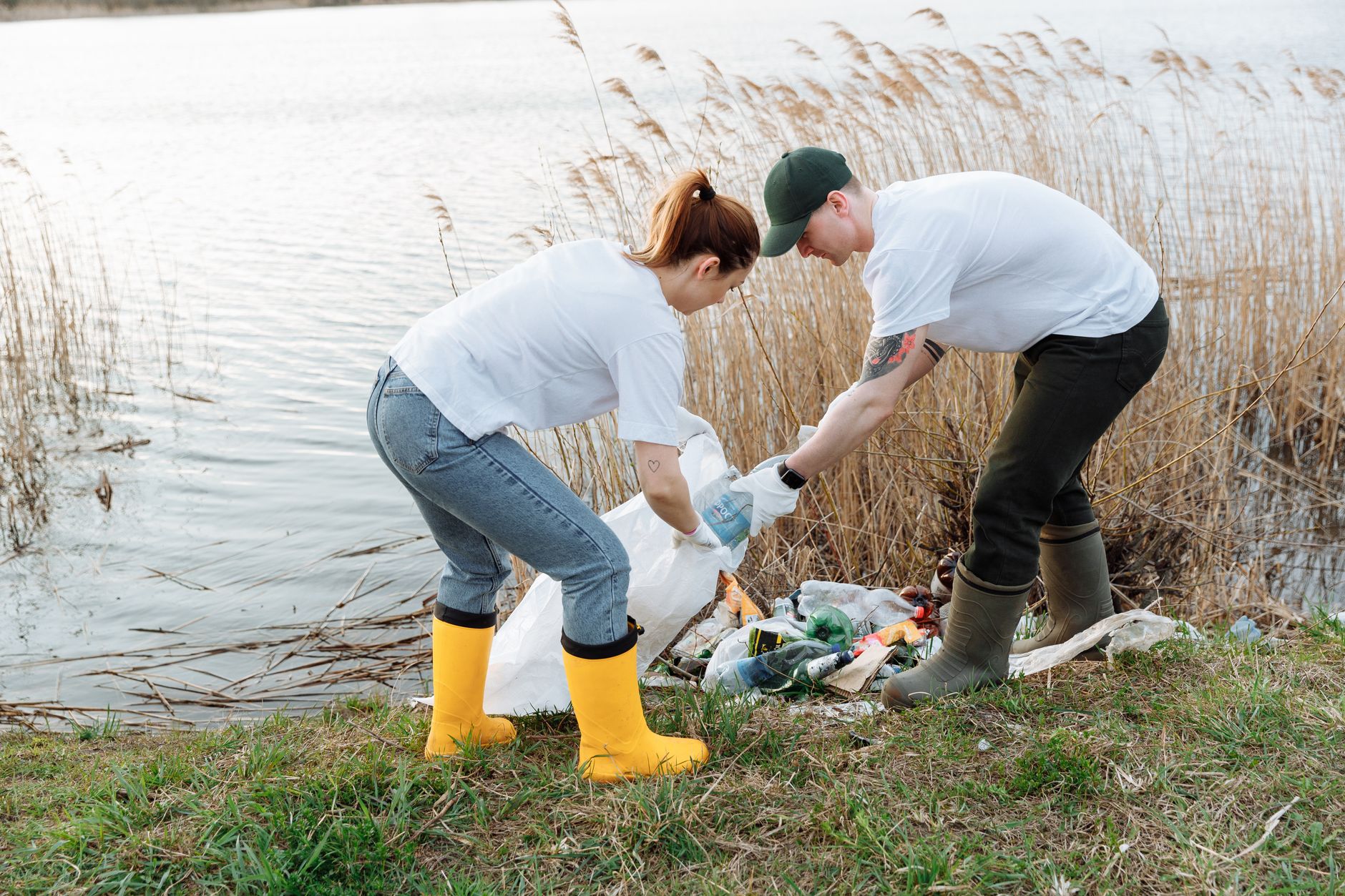
Vegetation teams are the largest group and the easiest entry point, typically working Tuesdays or Saturdays from 9.30am to around 3pm. A ranger allocates a 400-metre section, hands out loppers and bow saws, and works alongside you all day. No horticultural knowledge is assumed, and most groups accept complete beginners without any interview.
Heritage roles suit anyone who enjoys tangible progress. Repainting a pair of lock gates in the standard black-and-white livery takes a four-person team roughly two days and about 12 litres of exterior enamel. Restoration societies on derelict routes go further, running excavators and mixing concrete under supervised, charity-funded qualifications.
Towpath Ranger and Wildlife Survey Roles
Towpath rangers walk a fixed stretch monthly, logging fly-tipping, broken fencing, blocked drainage and damaged signage into a reporting app. It suits people who already walk a dog along the cut. Wildlife surveyors record water vole latrines, otter spraint and kingfisher sightings, feeding data into county biological records centres each season.
Time, Kit and What It Costs You
Canal towpath volunteer roles UK charities run are unusually cheap to take on. The organisation supplies gloves, hard hats, hi-vis vests and every hand tool; you supply boots and waterproofs. Steel-toecap wellingtons cost £30 to £45, and decent waterproof trousers around £25. Budget roughly £80 once, then almost nothing beyond travel.
Commitment varies far more than cost does. Some people give ninety minutes a week; others lose whole weekends to a restoration dig. The table below compares the main formats so you can match a role to the hours and the physical capacity you genuinely have, rather than the hours you hope to have.
| Role | Typical session | Physical demand | Your outlay |
|---|---|---|---|
| Litter-pick and tidy | 90 minutes, weekly | Low | Boots only |
| Vegetation clearance | 5 hours, fortnightly | High | £80 boots and waterproofs |
| Lock and bridge painting | 2 days, seasonal | Medium | Old clothes |
| Towpath ranger patrol | 1 hour, monthly | Low | Smartphone |
| Visitor welcome or boat crew | 4 hours, weekly | Low | Travel only |
Travel is the real expense on rural stretches. Some trusts reimburse mileage at 45p per mile or refund rail fares against receipts, though small local groups running on donations rarely can. Ask before your first session rather than assuming, because policies differ between regional teams inside the same national charity.
How to Join a Local Working Party
Applications are short. Most trusts use an online form asking for two emergency contacts, any medical conditions relevant to outdoor work, and your preferred day. Turnaround is usually ten to fourteen days, after which a leader emails a meeting-point postcode. There is no CV, no interview and no probation for general canal towpath volunteer roles UK teams offer.
Induction happens on site and lasts about forty minutes: a tool talk, a briefing on water safety and cold-water shock, and the location of throwlines and the nearest defibrillator. Roles involving brushcutters, chainsaws or work boats require accredited training the charity funds, typically a two-day course you commit to attending.
Finding a group is often easier offline than online. Marina cafes, lock cottages and village noticeboards carry session dates months ahead. Parish council meeting rules UK residents rely on guarantee a public participation slot at the start of every meeting, and three minutes there usually produces the coordinator’s phone number.
Landowners, Consents and Who Says Yes
Long stretches of towpath cross private farmland under permissive access agreements, so groups clear routes only where written consent exists. Larger interventions such as dredging, tree felling near watercourses or bank reprofiling need Environment Agency or Natural Resources Wales consent, which coordinators arrange. Volunteers never negotiate these permissions themselves, and should never assume access.
Where Towpath Work Fits in Village Life
Towpath sessions rarely stay isolated. The same fifteen people tend to appear across a parish’s entire volunteering ecosystem, and the skills transfer neatly. Anyone who has worked out how to volunteer at food bank warehouses already understands rota discipline, safeguarding basics and safe lifting technique, which is precisely what a Saturday clearance team needs.
The adjacent roles most towpath volunteers drift into follow a recognisable pattern, and every one of them draws on the same habits: turning up on the agreed morning, finishing the job properly, and handing over cleanly to whoever covers the next slot on the rota.
- Starting a community garden UK neighbours can reach on foot, since disused wharf plots and lock-side verges convert well, with timber raised beds costing £60 to £90 each.
- Referral desk support, where understanding the UK food bank referral process, and the vouchers issued by schools, health visitors and Citizens Advice, matters more than heavy lifting.
- Learning how a community fridge works: one shared, temperature-monitored appliance redistributing surplus stock, usually staffed by two people covering a two-hour slot.
- Working out how to become a school governor, a four-year commitment of roughly six meetings a year, filled by the same civic-minded regulars.
- Neighbourhood watch scheme how to start questions from canalside streets, which normally begin with six households and one police liaison contact.
Charity retail overlaps too. Working parties recover an astonishing volume of usable goods from bank sides, and volunteers who know the best charity shops in London or on their own high street route salvage sensibly. The same rules that govern donating clothes to charity UK-wide apply here: wash it, bag it, be honest about condition.
Building a Towpath Group That Lasts
Groups that survive a decade formalise early. Once annual turnover passes a few thousand pounds, coordinators look at how to set up a charity properly, usually a Charitable Incorporated Organisation, which limits trustee liability and takes six to twelve weeks to register. Below that threshold, an unincorporated association with a written constitution is enough.
Funding follows structure. Constituted groups can apply to lottery community funds, county councillors’ local schemes and waterway trust small grants, typically worth £500 to £5,000. Budget for indoor meetings as well: village hall hire cost UK groups face runs £8 to £20 an hour, more for evening slots with heating included.
Retention is the harder problem. Groups that keep people run something social every quarter, and knowing how to run a village fete, from pitch fees and raffle licences to public liability cover of at least £5 million, turns a maintenance rota into a community. Recruit at the fete, because the towpath sells itself.
How Do I Find Canal Towpath Volunteer Roles UK Charities Are Recruiting For?
Start with the national bodies. The Canal & River Trust, the Inland Waterways Association and Scottish Canals all list opportunities by postcode, and each publishes named regional contacts. Then go local, because independent restoration societies on partially derelict routes recruit almost entirely by word of mouth and rarely appear in national listings at all. Turning up unannounced at a Saturday working party is completely normal, and leaders expect it. Boat clubs, angling associations and towpath cafes keep printed rotas behind the counter. If you want one specific stretch maintained, email the regional waterway manager directly rather than the central volunteering inbox, which routes enquiries slowly.
Is There a Minimum Age or Fitness Level for Towpath Volunteering?
There is no single national rule, but the pattern is consistent. Children from about eight join litter-picks and planting days when accompanied by a responsible adult, and many groups run family sessions in school holidays specifically for this. Independent volunteering usually starts at 16, while brushcutters, chainsaws, work boats and anything involving deep water are restricted to over-18s with accredited training. Fitness matters less than honesty about it. Every session includes low-impact jobs such as tool logging, refreshments, wildlife recording and visitor welcome, and coordinators would far rather allocate you a seated role than lose you after one exhausting morning.
What Tools and Training Will I Be Given on My First Session?
You will be issued gloves, a hi-vis vest and hand tools appropriate to the task: loppers, bow saws, rakes, litter-pickers or paint kit. Hard hats and buoyancy aids appear wherever the risk assessment requires them, particularly near lock chambers and open water. Training on day one is verbal and practical, covering tool carriage, safe working distances, cold-water shock, hand hygiene against leptospirosis, and the location of throwlines and rescue ladders. Nothing is left to guesswork. Accredited qualifications, including first aid, brushcutter tickets and chainsaw certificates, come later at the charity’s expense once you have attended regularly for a few months.