
British Traditions of Christmas: What UK Households Actually Do
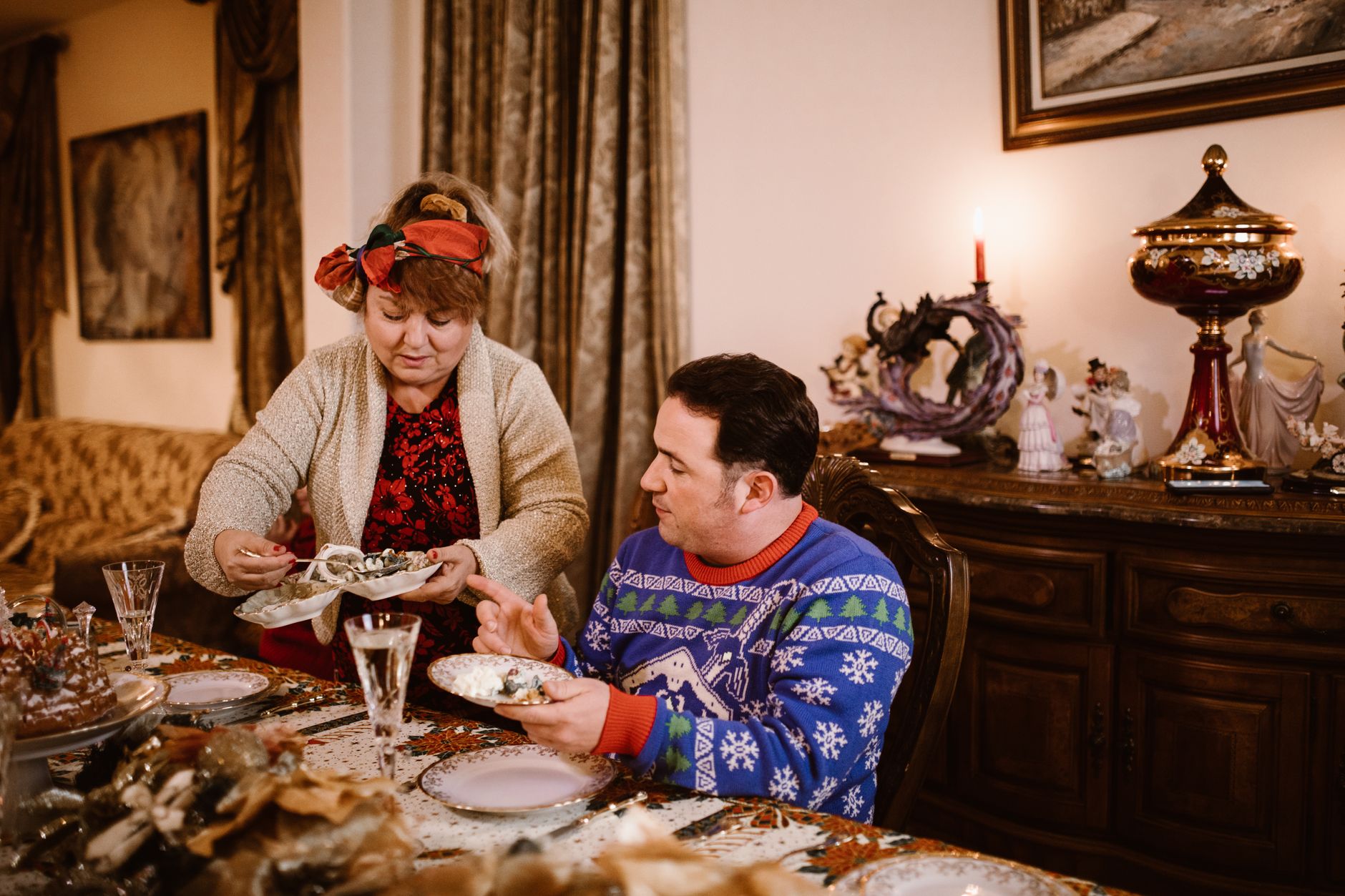
The british traditions of christmas that shape a UK December look effortless from the outside: a tree in the bay window, crackers beside the plates, the monarch on television at three o’clock. Look closer and the british traditions of christmas turn out to be a stack of Victorian inventions, medieval leftovers and post-war broadcasting habits that most households now repeat without asking where they came from. This guide unpacks the calendar from Advent through Twelfth Night, the food that genuinely appears on British tables, what the whole thing costs in pounds, and how families who share their homes with dogs get through it without a vet bill. Expect specifics: real dates, real prices, practical advice you can use in your own street. Nothing here is guesswork dressed up as heritage; every custom has a traceable origin, and most of them are younger than people assume.
Where the British Traditions of Christmas Came From
The decorated indoor tree arrived properly in the 1840s, when an illustration of Victoria, Albert and their children around a fir at Windsor ran in the Illustrated London News. Within a decade middle-class families across Britain were copying it. Before that, homes used holly, ivy and mistletoe boughs rather than a standing conifer.
The greetings card has an equally precise birthday. Sir Henry Cole commissioned the first commercial Christmas card in 1843, printing roughly a thousand copies and selling them at a shilling each. Today the average UK household still posts between 15 and 30 cards, at 70p to £1.50 per card plus second-class postage that now exceeds 85p.
The Victorian Blueprint Still in Use
Tom Smith, a London confectioner, wrapped sweets in twisted paper and added the snap in the 1840s, creating the cracker. The paper hat, motto and plastic trinket followed. A six-pack of supermarket crackers costs £4 to £12; luxury versions from department stores run £30 to £60 and contain metal keyrings rather than fortune fish.
The Christmas Dinner Table: What Britain Really Eats
Turkey dominates, though it only displaced goose and beef in the twentieth century. A fresh free-range bird of five to six kilograms costs £45 to £75 from a butcher, or £22 to £35 frozen from a supermarket. Roughly one in five households now chooses beef, gammon or a nut roast instead.
The supporting cast is non-negotiable in most homes: roast potatoes cooked in goose fat, pigs in blankets, bread sauce, braised red cabbage and Brussels sprouts that half the table refuses. Sprouts sell in enormous volume every December, and the chestnut-and-pancetta version has quietly become the standard restaurant treatment.
Pudding closes the meal. A traditional steamed Christmas pudding, made weeks ahead on Stir-up Sunday, is doused in brandy and lit at the table. Shop-bought puddings cost £6 to £20 depending on maturation. Mince pies follow all week, with the average household eating somewhere between 20 and 30 across the holiday.
Boxing Day, Pantomime and the Wider Calendar
Christmas in Britain is a season, not a single day. Advent calendars open on 1 December, work parties cluster in the second week, and Christmas Eve carol services fill parish churches that stand half empty the rest of the year. Nine Lessons and Carols from King’s College, Cambridge, is broadcast every Christmas Eve afternoon.
| Date | Tradition | Typical cost |
|---|---|---|
| Stir-up Sunday | Family stirs the pudding mixture, each making a wish | £8 to £15 in ingredients |
| Christmas Eve | Carol services, stocking hung, mince pie left for Santa | Free to £5 |
| Christmas Day | Dinner, gifts, the monarch’s speech at 3pm | £80 to £150 per household |
| Boxing Day | Long walks, football fixtures, leftovers, sales | Free to £40 |
| Twelfth Night | Decorations come down, 5 or 6 January | Free |
Boxing Day Walks and Winter Football
Boxing Day belongs to the outdoors. Families walk coastal paths, canal towpaths and country parks, and the Premier League and EFL both run full fixture lists — a British peculiarity that continental leagues abandoned long ago. Pantomime season overlaps, with regional theatres selling tickets at £15 to £45 and audiences shouting the same responses their grandparents shouted.
Gifts, Budgets and the Puppy Under the Tree Problem
UK households typically spend £400 to £700 on gifts, food and socialising across December. That spending includes a category rescue charities dread: live animals. Searches for a french bulldog puppy for sale climb sharply from late November, and listings for a puppy french bulldog for sale multiply as sellers chase seasonal demand.
Prices tell their own story. A well-bred french bulldog puppy for sale uk from a health-tested litter, with BOAS grading and a Kennel Club record, generally sits between £1,800 and £3,500. Any advert for a puppy french bulldog for sale uk priced at £600 deserves suspicion. The realistic french bulldog puppy price uk reflects caesarean costs, screening and rearing.
Why Seasonal Searching Backfires
Local queries surge too. People type english bulldog puppy for sale near me, puppy bulldog for sale near me and british bulldog puppy for sale near me into their phones on Christmas Eve, and volume-driven sellers meet that urgency with imported, undocumented litters. The same pattern hits american bulldog puppy for sale near me searches, where size and temperament are frequently misrepresented to festive buyers.
Colour and novelty carry premiums that reward the wrong breeders. A blue french bulldog puppy for sale often lists at £3,000 to £5,000, while a mini bulldog puppy for sale is usually a crossbreed with no fixed standard. If you genuinely want a puppy for sale french bulldog listing, wait until January and visit the mother twice before paying a deposit.
Keeping a Frenchie Safe Through the Festive Season
Christmas food is a veterinary minefield. Raisins in the pudding and mince pies can cause kidney failure in dogs; dark chocolate, onions, cooked turkey bones and macadamia nuts all carry real risk. An emergency out-of-hours consultation on Christmas Day commonly costs £200 to £400 before any treatment or overnight stay is added.
Flat-faced breeds face additional pressure. Central heating turned up for guests, a crowded living room and excitement around gift-opening all raise the risk of overheating and laboured breathing. Keep a quiet room available, maintain the household temperature around 19 to 21 degrees, and give a Frenchie somewhere to retreat when relatives arrive in numbers.
Decorations deserve equal caution. Tinsel and ribbon cause intestinal blockages, glass baubles shatter into paw-level shards, and lily arrangements are toxic. Secure the tree base, tape down cable runs, and remember that fireworks on New Year’s Eve mean a walk before dusk rather than after — a simple change that spares a stressed dog hours of distress.
How do the british traditions of christmas differ across the UK nations?
The core customs travel well, but the details shift. In Scotland, Christmas was effectively suppressed for around four centuries after the Reformation and only became a public holiday in 1958, which is why Hogmanay on 31 December still carries greater weight there, complete with first-footing, Auld Lang Syne and the Loony Dook. Wales retains the Mari Lwyd, a decorated horse skull carried door to door with sung verse challenges, and the plygain carol service held before dawn. Northern Ireland leans towards extended family gatherings and a strong church attendance pattern. England’s version is the most commercially standardised, largely because Victorian London exported it through print, and the differences narrow further every decade.
Is it a good idea to give a puppy as a Christmas gift?
Rarely, and reputable breeders will usually refuse. A puppy arriving into a house full of visitors, loud crackers, unfamiliar food and disrupted routines gets the worst possible start on toilet training, crate settling and socialisation. Rescue centres see a measurable intake spike from February onwards, roughly six to ten weeks after gift placements, once the reality of 3am toilet trips and £70 monthly insurance premiums lands. If a family genuinely wants a dog, a far better approach is to wrap a lead, a bowl and a printed appointment to view a litter in late January or February, when the household is calm, annual leave can be booked, and the breeder can carry out proper checks without seasonal pressure.
What does a traditional British Christmas actually cost per household?
Budget in four blocks. Food and drink for a family of four typically runs £120 to £200, covering the bird, vegetables, pudding, cheese and alcohol. Gifts absorb the largest share at £300 to £550, depending on how many children and extended relatives are involved. Decorations, cards, postage and crackers add £40 to £120, with a real six-foot Nordmann fir costing £45 to £80. Travel and socialising — train fares, petrol, a pantomime trip, a work party — commonly reach £80 to £250. A realistic all-in total sits between £540 and £1,120. Households that spread purchases from September, use supermarket saving schemes, or agree a Secret Santa cap of £20 among adults routinely cut that figure by a third.