
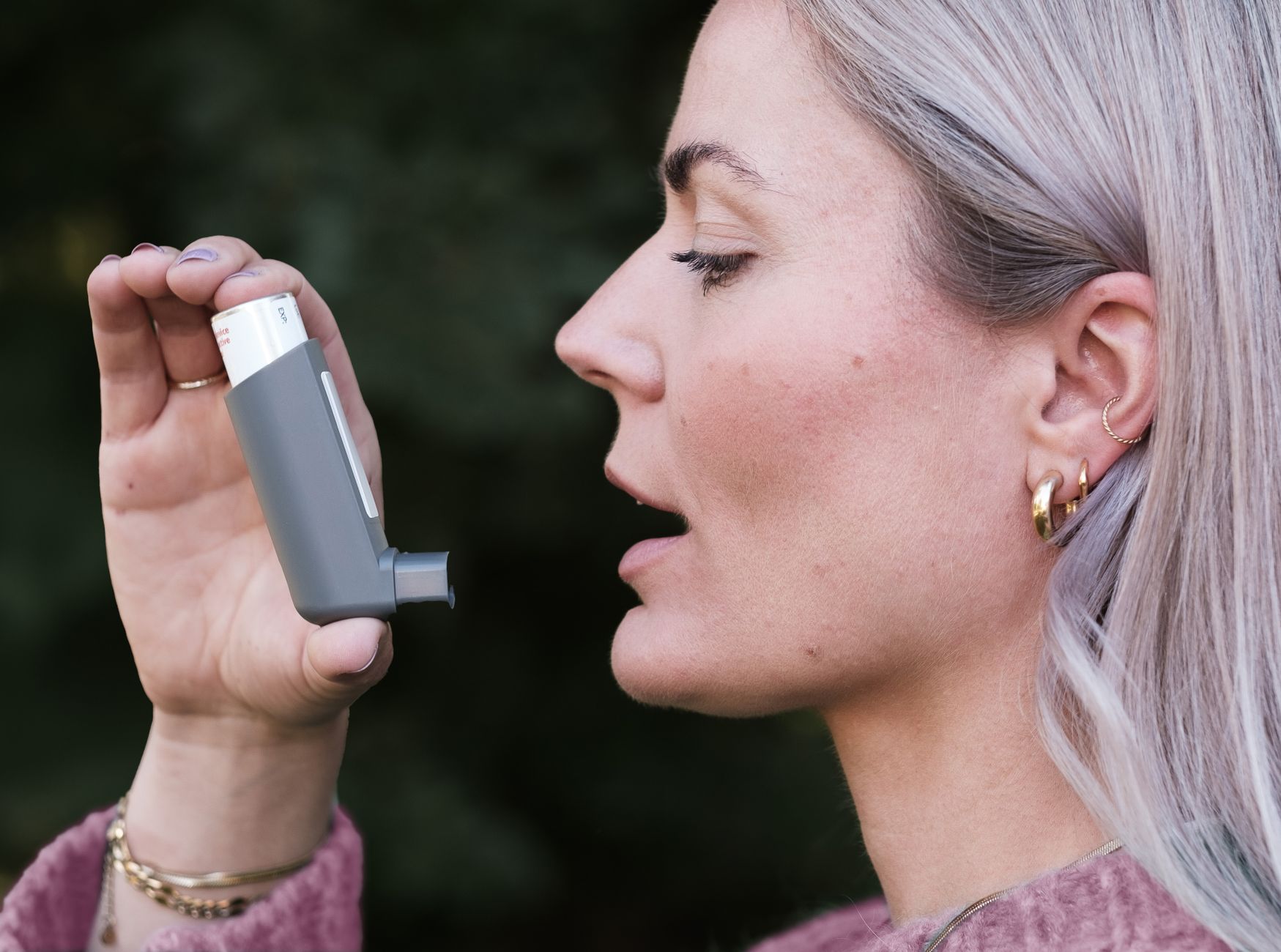
Drug induced asthma charities occupy a narrow but vital corner of UK health support, helping people whose airways tighten after a painkiller, a beta-blocker or an antibiotic rather than after pollen or exercise. Roughly one adult asthmatic in ten reacts to aspirin and related NSAIDs, and these organisations exist because that group is routinely missed in general respiratory advice. Their work runs from nurse-led helplines and plain-English medication guides to peer forums, hospital liaison and small grants for air filtration. For families in a British community setting, the practical value is immediate: knowing which cold remedy to avoid, how to brief a dentist, and how to keep a household breathable when children, carpets and a dog all share the same 70 square metres. This guide explains what these charities deliver, what they cost, and how pet-owning households can use their advice sensibly.
What Drug Induced Asthma Charities Do Differently
Mainstream respiratory charities cover inhaler technique and pollen counts well. The specialist groups go further, maintaining lists of medicines that provoke bronchospasm: aspirin, ibuprofen, naproxen, non-selective beta-blockers such as propranolol, and occasionally ACE inhibitors that trigger cough rather than wheeze. That list is the product these organisations exist to keep accurate and freely available.
Second comes advocacy at the point of care. Volunteers draft wallet cards, dental alert templates and pre-surgery scripts so a patient can hand a clinician something written rather than argue from memory. Several groups fund desensitisation pathway research, where a supervised aspirin challenge in hospital can restore tolerance for patients with nasal polyps.
Third is money. Small hardship grants of £50 to £300 cover a prepayment prescription certificate, a peak flow meter at about £12, or a HEPA purifier costing £120 to £400. Larger charities publish audited accounts showing what proportion of income reaches beneficiaries, which is the figure worth checking before donating.
Helplines, Forums and Nurse-Led Advice
Most helplines are staffed by respiratory nurses for four to six hours a day and cost nothing beyond a standard call. Moderated forums matter just as much, because a member who has already survived a bad reaction to naproxen can explain what the leaflet does not: how fast it started, and what actually helped.
Spotting a Medication Trigger Before It Becomes an Emergency
The classic pattern is aspirin-exacerbated respiratory disease: nasal congestion and a loss of smell arrive first, polyps follow, and then a single ibuprofen tablet produces wheeze within thirty to ninety minutes. Because that gap is short, people often blame the meal, the room or the weather instead of the tablet.
Beta-blockers behave differently. Eye drops for glaucoma containing timolol can tighten airways several days into treatment, and the link is easy to miss because nothing was swallowed. Charity guidance pushes patients towards a simple diary recording peak flow twice daily alongside every new medicine, dose and time taken.
Bring that diary to review appointments. A GP with fourteen minutes will act faster on a written record showing peak flow dropping from 480 to 330 litres per minute after a specific tablet than on a vague description of feeling tight. The table below groups the classes most often implicated.
| Drug class | Common examples | Typical reaction window | Practical step |
|---|---|---|---|
| NSAIDs | Aspirin, ibuprofen, naproxen, diclofenac | 30-120 minutes | Discuss paracetamol under 1g per dose |
| Non-selective beta-blockers | Propranolol, timolol eye drops | Hours to days | Request a cardioselective alternative review |
| ACE inhibitors | Ramipril, lisinopril | 1 week to 6 months | Report a persistent dry cough promptly |
| Preservatives and additives | Sulphites, benzalkonium chloride | Minutes | Check nebuliser and eye drop formulations |
| Antibiotics | Penicillins in sensitised patients | Minutes to hours | Record allergy status on the summary care record |
Dogs, Dander and a Genuinely Breathable Home
Pet ownership is where charity advice gets tested. The dog allergen Can f 1 clings to soft furnishings and stays airborne for hours, so a household already managing medication-triggered attacks is dealing with a second variable it can control. Removing the dog is rarely the answer; controlling the room usually is.
UK search behaviour shows how common the dilemma is. Queries such as french bulldog puppy for sale, puppy french bulldog for sale and puppy for sale french bulldog attract tens of thousands of monthly searches, and plenty come from homes where somebody already takes a preventer inhaler every single morning.
Brachycephalic breeds add a further consideration. A flat-faced dog snores, snorts and may need soft palate surgery costing £1,200 to £2,500, which means the household is managing two sets of compromised airways. Buyers comparing english bulldog puppy for sale near me listings against slimmer-muzzled breeds should weigh that trade-off honestly.
Helpline staff repeat the same practical measures to almost every caller who owns or wants a dog:
- Keep bedrooms dog-free; a closed door cuts allergen load more than any gadget
- Run a HEPA purifier rated for the room volume, typically £120 to £400
- Wash bedding weekly at 60C and vacuum with a sealed HEPA unit twice a week
- Bathe the dog fortnightly; over-washing damages skin and increases dander
- Replace deep pile carpet one room at a time rather than all at once
Puppy Costs, Breed Choice and Household Health
Budget honestly before browsing. The french bulldog puppy price uk buyers encounter from health-tested breeders typically sits between £1,500 and £4,000, and a blue french bulldog puppy for sale often carries a premium of several hundred pounds for a coat colour that adds nothing whatsoever to respiratory health.
Running costs matter more than the headline figure. Insurance for a flat-faced breed runs roughly £45 to £90 monthly, food £30 to £50, and annual vaccinations plus check-ups £120 to £200. Anyone typing french bulldog puppy for sale uk or puppy french bulldog for sale uk should budget across a decade, not a weekend.
Local Listings and the Health Questions That Matter
Local searches such as puppy bulldog for sale near me, british bulldog puppy for sale near me and american bulldog puppy for sale near me surface convenience rather than quality. Ask for BOAS grading, hip scores and the dam breathing record. A mini bulldog puppy for sale is usually a crossbreed, so establish exactly what was crossed.
Reputable breeders welcome those questions and will let a buyer with asthma visit twice before committing, once briefly and once for a full hour, to see how their chest responds inside a home where dogs actually live. That trial tells you more than any hypoallergenic marketing claim.
Funding, Volunteering and Community Support
Most drug induced asthma charities operate on annual incomes under £500,000, which makes local fundraising disproportionately useful. A community quiz raising £800 can fund forty peak flow meters or a month of helpline cover, and regular £5 monthly donors are worth more than one-off gifts because they make rostering predictable.
Volunteering options stretch well beyond bucket collections. These organisations need people to proofread medication leaflets, moderate forums for two hours weekly, drive patients to hospital challenge appointments, and translate materials into Polish, Urdu or Welsh. Professional skills such as bookkeeping or web accessibility auditing are consistently the hardest roles to fill.
Check the Charity Commission register before giving. Look at the reserves policy, the number of trustees and the ratio of charitable expenditure to fundraising costs. Organisations spending above 25 percent of income on fundraising deserve a polite question, though very small groups sometimes show odd ratios for legitimate reasons.
How do drug induced asthma charities help someone who has just been diagnosed?
They begin by translating the diagnosis into daily decisions. Within the first week a helpline nurse will usually explain which painkillers remain safe, what to say at a dental appointment, and how to record peak flow readings a consultant will take seriously. Most send a printed medicines-to-avoid card free of charge and offer a follow-up call after four to six weeks. Beyond that, they connect people with a moderated peer forum where members describe real reaction timelines, and they flag whether any hospital in the region runs supervised desensitisation clinics. The combined effect is fewer wasted appointments and considerably less guesswork during the first anxious months.
Is it safe to keep a dog if medication-triggered asthma runs in the family?
Usually yes, provided controls are in place. Drug-triggered attacks come from the medicine rather than the animal, so the dog represents a separate allergen question, not the underlying cause. The genuine risk is stacking: a household already reacting to aspirin has less margin when dander, dust mites and a winter cold arrive in the same fortnight. Keep the animal out of bedrooms, favour hard flooring, run HEPA filtration in the main living space, and review the preventer inhaler dose with a nurse before any puppy arrives. Test the response first by spending an hour in a friend home with the same breed, then decide on evidence rather than optimism.
What should I ask before donating to or contacting one of these organisations?
Ask four things. First, what proportion of income reaches beneficiaries directly, which the annual accounts on the Charity Commission register will show clearly. Second, whether clinical content is reviewed by a respiratory consultant or specialist nurse, and how frequently it is updated. Third, what the helpline genuinely offers: signposting only, or nurse-led advice with scheduled call-backs. Fourth, how securely they store data, since medication histories are sensitive personal information. If you are contacting them for help rather than to give, have your current inhaler names, doses, recent peak flow readings and the suspected medicine written down before you call.