
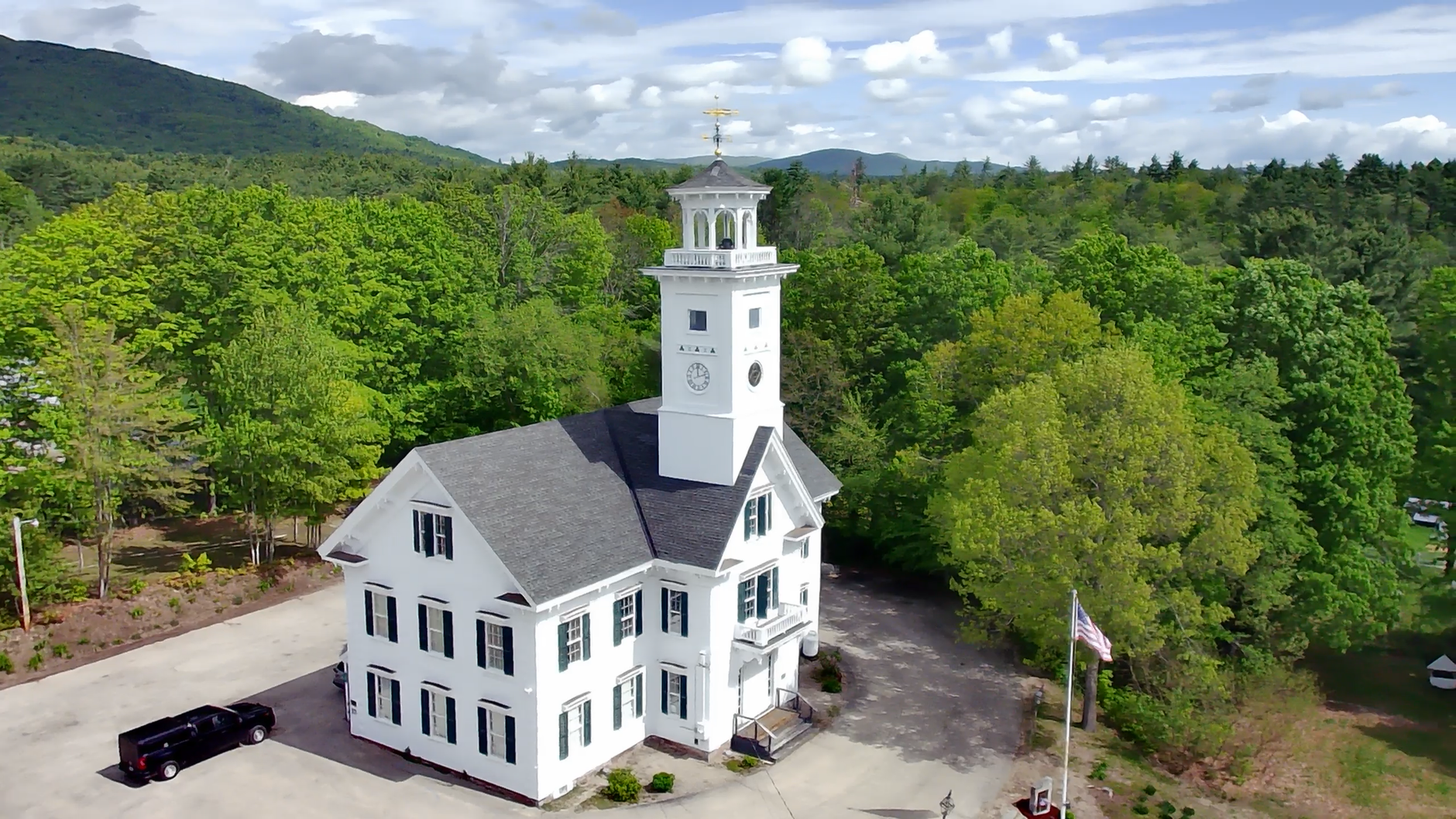
Crowdfunding a village project UK communities will genuinely back starts months before the page goes live. Hall roofs, play areas, defibrillator cabinets and skate ramps all get funded the same way, because crowdfunding a village project UK-wide follows one repeatable pattern: a costed plan, a named team, and a launch that banks 30% of the target inside 72 hours. Platform choice matters more than most committees expect, since fees run from 0% to 5% on top of roughly 1.9% plus 20p per card payment, which is £400 of difference on a £20,000 appeal. This guide walks through target setting, match funding, governance, reward tiers, offline fundraising and the unglamorous admin that separates a £2,000 flop from a £40,000 success. The numbers used throughout reflect how rural appeals actually behave, not what platform marketing pages promise.
Choosing a Platform That Fits a Rural Appeal
Place-based appeals need a platform built for them. Crowdfunder UK and Spacehive both host match-funding pots from councils, housing associations and utility companies, which can double a total overnight. GoFundMe moves fast for emergency appeals but offers no match funding at all. Judge access to match pots first and headline fees second.
The funding model matters as much as the brand. All-or-nothing keeps backers safe, since nobody pays for a half-built pavilion, and the fixed deadline creates urgency. Keep-what-you-raise suits phased work, letting a committee buy fencing now and surfacing later, and it removes the risk of losing everything by £300.
Fees look trivial until you scale them. On a £20,000 target, a five percent platform charge plus card processing removes roughly £1,380, so the real ask is closer to £21,400. Build that gap into the headline figure rather than discovering it when the contractor issues a final invoice.
Platform Costs Compared
Rates change, so confirm current terms before launch, but the relative ordering below has stayed stable for years and is a reliable shortlisting tool for a first campaign.
| Platform | Platform fee | Card processing | Best suited to |
|---|---|---|---|
| Crowdfunder UK | 0-5% | approx 1.9% + 20p | Match-funded community assets |
| Spacehive | approx 5% | approx 2.4% + 20p | Civic and public realm schemes |
| GoFundMe | 0% plus optional tip | approx 1.9% + 20p | Urgent, individual-led appeals |
| Chuffed | 0% plus optional tip | approx 2.4% + 20p | Constituted not-for-profit groups |
| Localgiving | Membership from approx £10 monthly | approx 2% | Small charities maximising Gift Aid |
Gift Aid changes the maths for registered charities, adding 25p per eligible pound from UK taxpayers. On a £15,000 appeal where two thirds of donors tick the box, that is roughly £2,500 of free income, which usually outweighs any membership fee a platform charges.
Costing the Work and Setting a Target That Converts
Start with three written quotes, never estimates. A hall kitchen refit typically breaks down as units at £6,500, appliances at £2,200, electrics at £1,400 and making good at £900. Add ten percent contingency, VAT where it applies and the platform fees, then round the published target down slightly.
Existing income shrinks the ask. The typical village hall hire cost uk sits between £8 and £25 an hour, or £120 to £250 for a full day with a licensed bar, so a committee letting the space four evenings weekly already covers utilities and can pledge seed funding from reserves.
Small projects fund fastest. Starting a community garden uk rarely exceeds £4,000: raised beds run about £90 each, a water butt £45, hand tools £300 and public liability insurance £150 to £250 annually. Targets under £5,000 convert at noticeably higher rates than ambitious five-figure appeals.
Explain unfamiliar ideas in one line. A short explainer covering community fridge how it works, meaning surplus stock in, free food out and twice-daily temperature logs, sitting beside £800 for a commercial unit and £120 of annual electricity, answers the objection before a sceptical donor ever raises it.
Governance, Structure and the Committee Behind the Campaign
Backers fund people as much as projects. Recruit a treasurer with bookkeeping experience, a secretary who writes clearly, and at least one member with construction or procurement knowledge. Someone who has researched how to become a school governor usually brings exactly the budget scrutiny and safeguarding awareness a village committee lacks.
Legal structure decides what you can hold. An unincorporated association works for appeals under a few thousand pounds. Above that, learning how to set up a charity matters: a charitable incorporated organisation gives trustees limited liability, and registration in England and Wales becomes compulsory once annual income passes £5,000.
Insurance and safeguarding are not optional extras. Public liability cover of £5 million costs most small groups £150 to £400 a year, and any activity involving children needs a written policy plus DBS checks for named volunteers. Publish both documents openly on the campaign page.
Working With Your Parish Council
The parish is the cheapest partner available. Parish council meeting rules uk require agendas to be published three clear working days before a meeting, with a public participation period at the start, so book a five-minute slot and bring a one-page costed summary rather than a slideshow.
Councils can award grants under the general power of competence and often hold precept reserves earmarked for community assets. A £2,000 pledge announced in week one signals credibility to every other funder, and it frequently unlocks district or county matched contributions later in the campaign.
Rewards, In-Kind Support and Local Partnerships
Rewards should cost pennies and mean something. Name-on-a-plaque tiers at £50, engraved bench slats at £250 and a founder listing at £500 outperform mugs and tote bags, because production costs stay under five percent and the recognition is permanent, visible and unmistakably local.
Trading raises money crowdfunding cannot. Rural committees borrow urban retail discipline: the best charity shops in london rotate window displays weekly and price by turnover rather than sentiment. A weekend pop-up stall in the hall, run on the same rules, can clear £600 in a single Saturday.
Textile drives convert clutter into cash. Organising a donating clothes to charity uk collection pays roughly £300 to £500 per tonne from merchants, and a well-publicised village round typically yields half a tonne. Pair it with a book and bric-a-brac sale and the margins improve further.
Partner projects widen the donor base. A poster explaining how to volunteer at food bank sessions, alongside a plain summary of the uk food bank referral process, where a school, health visitor or Citizens Advice issues a voucher, brings in supporters who would never attend a hall committee meeting.
Launch Week, Promotion and Delivering After the Money Lands
Never launch cold. The mechanics of crowdfunding a village project UK backers trust come down to momentum: secure private pledges covering thirty percent of the target, then release them within the first forty-eight hours. Campaigns passing a third of their goal in week one finish funded far more often.
Use the networks that already exist. Village WhatsApp groups, the parish magazine, the school newsletter and the local Facebook page reach more households than paid advertising ever will. The same channels people use when researching neighbourhood watch scheme how to start advice carry a funding appeal just as effectively.
Offline events do the heavy lifting. Knowing how to run a village fete profitably, with pitch fees of £15 to £25 per stall, £2 entry and tombola tickets at 50p, regularly nets £3,000 to £6,000 across a single day and hands the online page a fresh story.
Delivery is where reputations are made. Publish quarterly updates with photographs, invoices and any variance against budget, and thank every backer by name. Groups that report transparently raise second and third rounds easily, while those that go quiet after the money lands rarely fundraise well again.
How Long Does Crowdfunding a Village Project UK Usually Take?
Allow four to six months end to end. Roughly eight weeks go on quotes, permissions, governance and photography before anything is published. The live campaign itself should run 28 to 42 days, because a shorter window loses reach while a longer one kills urgency, and platforms report a pronounced slump through the middle third of any six-week-plus run. Expect a further two to four weeks for funds to clear, Gift Aid to be claimed and reward fulfilment to begin. Committees that rush preparation almost always spend the saved time later, chasing planning consent, insurance certificates or a contractor who has moved on to another job.
Is Match Funding Available for Small Rural Appeals?
Yes, and small appeals often compete better than large ones. Councils, water companies, housing associations and national funders regularly place pots of £250,000 or more on community platforms, capped at £1,000 to £5,000 per project, which structurally favours modest targets. Match pots typically open on fixed dates and pay pound for pound until exhausted, sometimes within hours, so a campaign must be verified, live and ready to drive donations the moment the window opens. Read eligibility criteria closely: many require a constituted group, a bank account with two signatories, and evidence of community consultation such as a household survey or a minuted public meeting.
What Happens if the Campaign Misses Its Target?
That depends entirely on the funding model chosen at setup. Under all-or-nothing rules, pledges are cancelled, cards are never charged and the group receives nothing, although most platforms permit one deadline extension or a relaunch at a lower figure. Keep-what-you-raise campaigns release the money minus fees, leaving the committee obliged to deliver something meaningful from a partial sum. The practical answer is to phase the work from the start: define a minimum viable outcome, such as repairing one roof section rather than replacing the whole covering, and publish that fallback openly so backers know exactly what their money buys.