
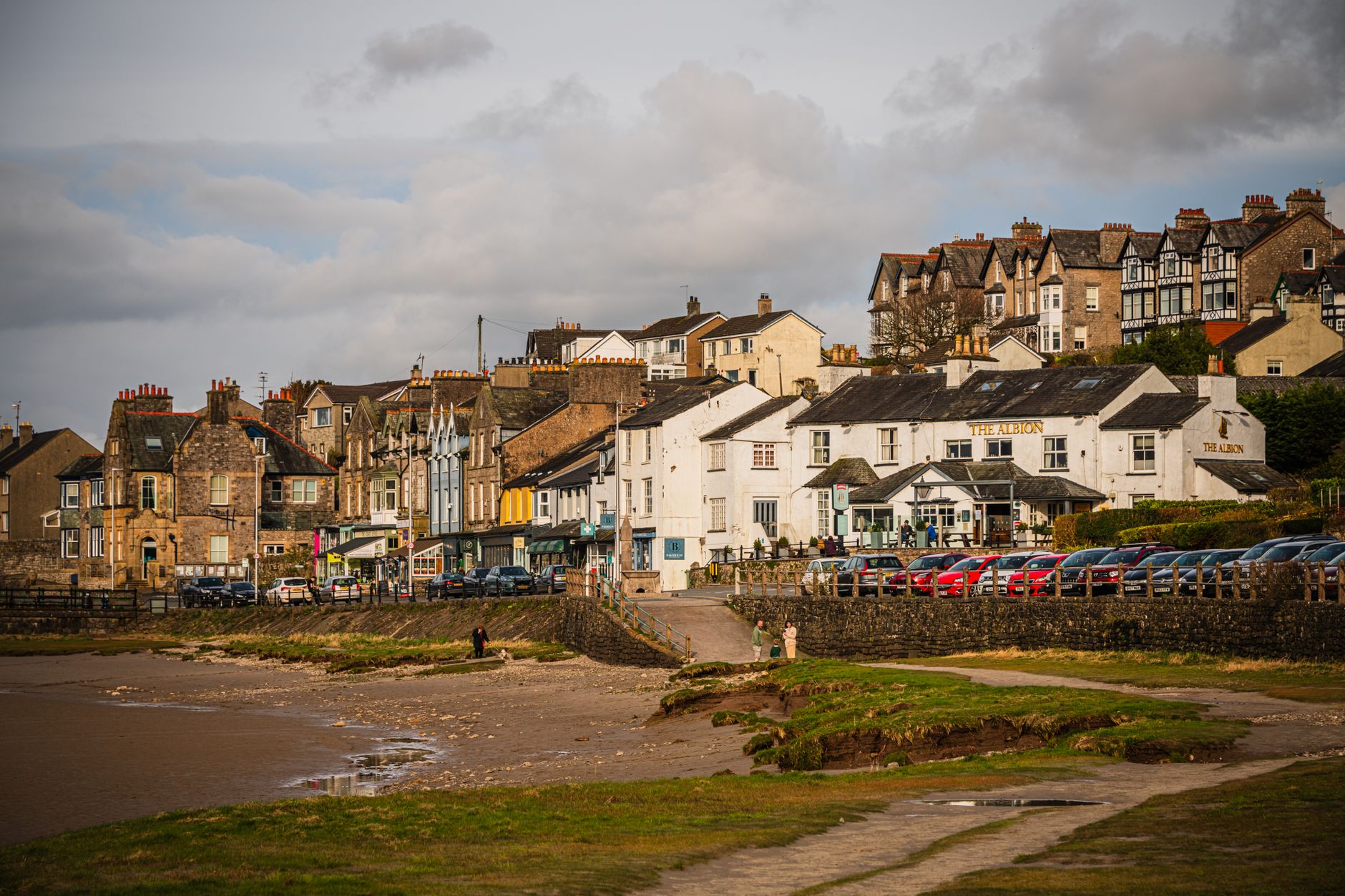
Best Travel Destinations UK Locals Return To Year After Year
Ask ten people in a local community group to name the best travel destinations UK families genuinely enjoy, and you will get ten different answers, most of them within four hours of home. That is the quiet strength of the best travel destinations UK holidaymakers return to again and again: close enough for a Friday evening departure, cheap enough to repeat twice a year, and interesting enough that nobody spends the weekend scrolling on a phone. This guide works through coastline, national parks, cities and the practical side of booking, with realistic costs in pounds, honest seasonal advice and the kind of detail that only comes from visiting in February as well as August. Whether you travel with a toddler, a French Bulldog or a boot full of muddy walking boots, the aim stays the same — more time enjoying the place, far less time regretting the logistics.
How to Judge the Best Travel Destinations UK Has to Offer
The places that earn repeat visits share a pattern. They function in bad weather, they have a centre you can cross on foot in twenty minutes, and they keep a bus or train link running out of season. A town that shutters half its high street in October is a summer gamble rather than a year-round favourite.
Community life is the honest signal. A busy Saturday market, a library still running toddler groups, a lively uk allotment gardening association with a two-year waiting list — all of it tells you that people invest in the place instead of simply passing through it on the way somewhere warmer.
Shoulder season is where the value sits. The same three-night cottage costing around £520 in August often drops closer to £280 in late September, when the sea is warmer than June and the coast path is empty. Travel in May, June, September or early October and you buy a better version of the identical trip.
How to Read a Destination Before You Book
Check three things: the last bus home, the nearest vet or minor injuries unit, and whether the pub serves food on a Monday. Those answers reveal how a place actually works midweek in winter. Parish newsletters and local social media groups tell you more than any glossy brochure, and take ten minutes to skim.
Coast and Island Escapes Within Reach of Almost Everyone
Northumberland stays the quietest good coastline in England. Bamburgh, Craster and the Farne Islands stack castles, smoked kippers and puffin colonies inside fifteen miles, and a family boat trip to the Farnes runs roughly £25 per adult. Parking is inexpensive, and even in August the beaches rarely feel busy.
Pembrokeshire and the Llyn Peninsula deliver similar quality with warmer water. The Wales Coast Path is signposted end to end, so you can walk four miles between two villages and catch a service bus back for under £4. Cottages sleeping six start near £600 a week outside school holidays.
For genuine remoteness, the Hebrides and Orkney are the standout travel destinations in uk terms of dark skies and archaeology. Ferry crossings cost roughly £30 to £60 for a car plus two passengers each way, so reserve vehicle spaces early — summer sailings from Oban and Ullapool sell out months in advance.
- Northumberland coast — castles, empty sand, strong value on self-catering
- Pembrokeshire — best all-round mix of beaches, walking and family pubs
- Isle of Skye — dramatic, busy in July, superb in late September
- North Norfolk — flat cycling, seal trips, excellent for two-night breaks
- Isle of Wight — ferry adds cost but halves the driving from the south
National Parks, Trails and Genuinely Dog-Friendly Days Out
The fifteen national parks cover wildly different terrain. The Peak District suits short-notice weekends from Manchester or Sheffield, the Lake District rewards a full week, and the South Downs works beautifully for anyone wanting hills without a five-hour drive. Entry is free everywhere; parking is the real cost.
Dog owners get a better deal here than almost anywhere in Europe. Most pubs allow dogs in the bar, many holiday lets charge a flat £25 to £40 per stay, and the search for parks for dog walking near me usually turns up a country park or reservoir trail within fifteen minutes of a rental cottage.
Long-distance trails make excellent structure for a trip. Walk three consecutive stages of the Cleveland Way or the Cotswold Way, book accommodation at each end, and use a baggage transfer service for around £12 per bag per day. You get the satisfaction of a through-hike without carrying anything heavy.
Travelling With a Dog Without the Stress
Flat-faced breeds struggle in heat, so plan early starts and shaded woodland routes rather than exposed ridges in July. Before you leave, list the dog walking parks near me at your destination, note beach restrictions between May and September, and save the nearest emergency vet number offline where signal drops out.
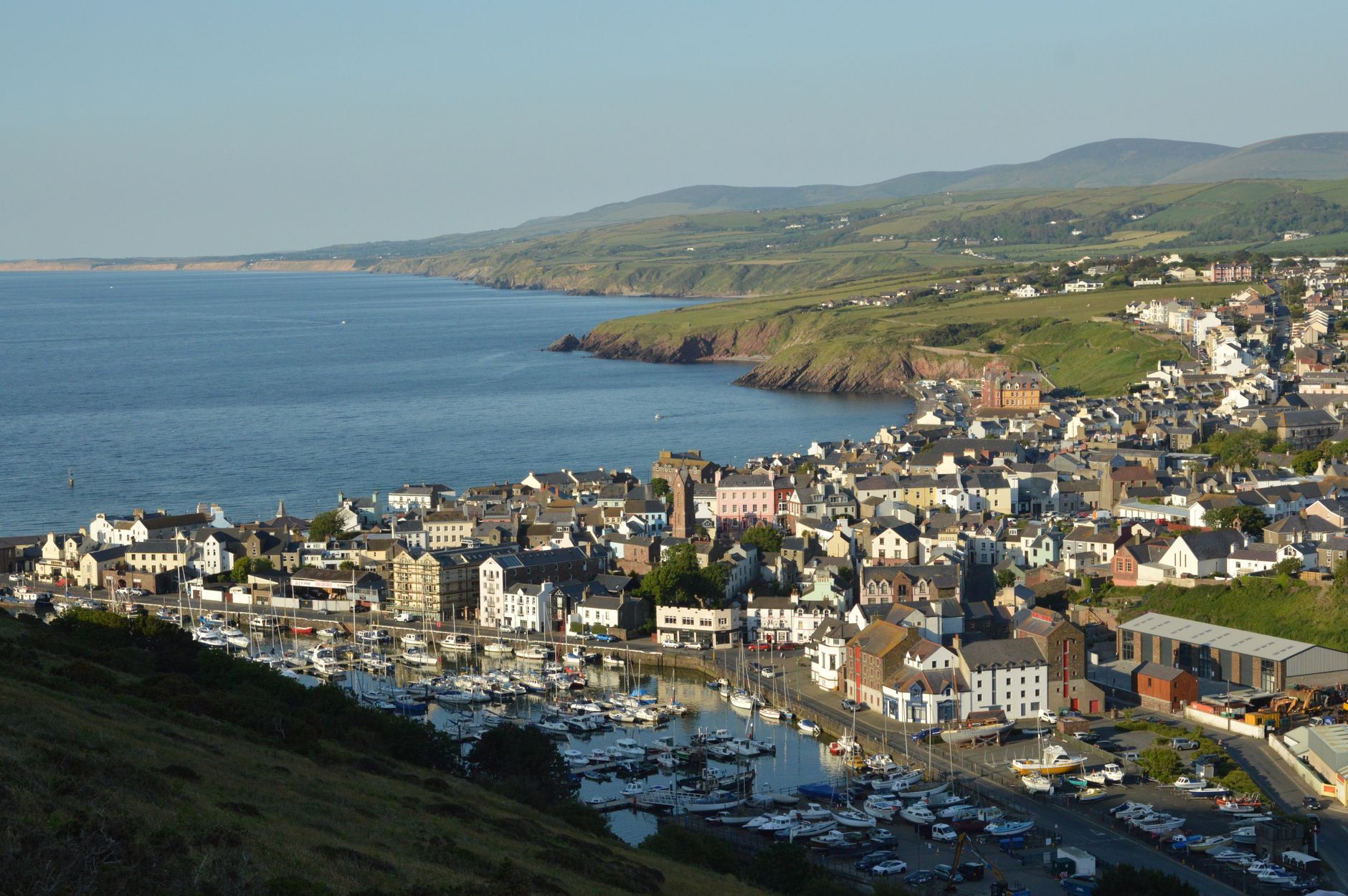
City Breaks Built Around Markets, Food and Baking Heritage
Cities remain the most weather-proof of all uk travel destinations. York, Bath, Edinburgh, Glasgow and Bristol each pack museums, independent shops and serious food scenes into a walkable core, which means a wet forecast changes your plans very little and costs nothing extra in fuel or fallback activities.
Food is the honest reason many people return. Borough Market, Manchester Arndale Market and Cardiff Market all sell produce worth carrying home, and regional bakes give you a ready-made itinerary — Bakewell puddings, Eccles cakes, Cornish saffron buns and Welsh cakes have anchored great british baking recipes for generations.
Budget honestly and city breaks stay affordable. Two nights in a mid-range hotel outside London typically runs £90 to £140 per night, advance rail fares booked twelve weeks ahead often cost under £40 return, and a museum-heavy itinerary can fill two days for the price of coffee and lunch.
If you cook, treat trips as research. Buying a bag of local stoneground flour or a jar of regional honey turns a weekend into something you repeat at home, and british baking recipes made with the actual ingredients from the region taste noticeably different from supermarket approximations.
Budgeting, Booking and Fitting Trips Around Real Home Life
Costs vary more by timing than by postcode. The table below shows realistic three-night totals for two adults, self-catering, travelling by car and shopping locally rather than eating out every evening. Use it as a planning baseline and adjust upwards for school holidays, festivals and coastal towns in peak August weeks.
| Destination | Best months | 3-night self-catering | Standout feature |
|---|---|---|---|
| Northumberland coast | May, September | £280 to £360 | Castles and empty beaches |
| Peak District | April, October | £240 to £320 | Short drive from three cities |
| Pembrokeshire | June, September | £300 to £420 | Coast path plus warm water |
| North Norfolk | May, October | £290 to £380 | Flat cycling and seal trips |
| Isle of Skye | September | £360 to £500 | Dark skies and ridge walking |
Book accommodation roughly four to six months ahead for summer and about six weeks ahead for shoulder season, when owners drop prices to fill gaps. Among the best travel destinations UK drivers can reach comfortably, anything under a three-hour journey justifies a two-night stay; beyond that, stretch to four nights.
Remote work has quietly widened the calendar. If your job allows two days away from the desk, a Wednesday-to-Sunday trip costs less than Friday-to-Monday, and the same home office setup ideas that make a spare bedroom workable — a small folding desk, a laptop riser, a decent plug adapter — travel easily in a car boot.
Keep some of the pleasure at home too. The people who get most from the best uk travel destinations tend to have hobbies that carry over, whether that is photography, sea swimming or allotment gardening uk plot-holders swap seeds over, so every trip feeds something that continues after the car is unpacked.
How Do I Choose Between UK Travel Destinations When the Budget Is Tight?
Start with total cost rather than nightly rate. Fuel, parking, ferry fares and dog supplements often add £80 to £150 to a trip, which can make a nearer destination cheaper overall even when the cottage looks more expensive. Build a shortlist of travel destinations uk residents can reach in under three hours, then compare full totals. Self-catering with one meal out per stay typically saves £120 across three nights versus eating out nightly. Travelling midweek in shoulder season cuts accommodation by a further twenty to forty percent, and many attractions reduce entry or drop queueing entirely, which improves the trip as well as the budget.
Is It Cheaper to Book Independently or Through a Travel Agent?
For domestic trips, booking directly is almost always cheaper, since cottages, hotels and trains all sell straight to the public with no meaningful markup. Agents earn their fee on complex itineraries: multi-leg journeys, ferry and accommodation packages to the islands, or group trips where one person coordinates everyone. People comparing hays travel destinations from uk are usually weighing package convenience and financial protection against flexibility, and both arguments hold. If your trip involves a single cottage and your own car, book it yourself. If it involves flights, ferries and connecting transfers across three suppliers, an agent absorbs the risk and the phone calls when something changes.
What Should I Pack for a Week on the British Coast?
Pack for three seasons in one week, because coastal weather changes quickly even in July. A waterproof jacket rated at least 10,000mm, sturdy trail shoes, and quick-dry layers matter far more than volume of clothing. Add a dry bag for phones on boat trips, a thermos, and a torch for lanes without street lighting. Families should bring swim shoes for pebble beaches and a windbreak, which costs about £25 and transforms a breezy afternoon. If you are travelling with a dog, add a towel, a collapsible bowl, tick removers and a spare lead. Assume laundry facilities exist and pack roughly half what you first planned.