

Antiphospholipid Lupus Charities in the UK: How Local Communities Fund Real Support
Antiphospholipid lupus charities occupy a quiet but vital corner of British healthcare support, funding research, helplines and hardship grants for people living with clotting and autoimmune conditions. Across Britain, antiphospholipid lupus charities are largely community-funded, which means village fetes, sponsored walks and breed meet-ups carry more weight than any single corporate cheque. Antiphospholipid syndrome, sometimes called sticky blood or Hughes syndrome, affects an estimated 1 in 2,000 people, and a substantial share of those diagnosed also live with lupus. That overlap explains why the two causes share fundraising platforms, awareness months and volunteer networks. For local communities — including the tight-knit UK dog world, where a single breed fun day can raise £800 in an afternoon — supporting these organisations is straightforward, measurable and genuinely useful. This guide covers where the money goes, how to vet an organisation before donating, and how ordinary neighbourhood events turn small sums into clinical outcomes.
How Antiphospholipid Lupus Charities Support People Across the UK
Support usually starts with information. Registered organisations publish plain-English booklets on warfarin monitoring, INR targets and pregnancy planning, distributed free to rheumatology clinics. A print run of 5,000 booklets costs roughly £2,400, which is why modest donations of £10 to £25 translate directly into material sitting on hospital shelves rather than into overheads.
Telephone and email helplines form the second pillar. Staffed by trained volunteers and nurse advisers, these lines answer questions consultants rarely have time for: travel insurance, contraception risk, miscarriage history, surgery planning. Running a part-time helpline typically costs £30,000 to £45,000 a year, funded almost entirely by community events and regular monthly givers.
Hardship grants complete the picture. Members facing reduced hours or unexpected bills can apply for one-off payments, commonly £150 to £500, covering heating costs, mobility aids or travel to specialist centres in London, Leeds and Manchester. Applications are usually assessed within weeks rather than months, which matters when household income drops suddenly.
Research Funding and Clinical Trials
Research grants are the largest single line of expenditure. A three-year PhD studentship investigating antiphospholipid antibodies costs around £90,000, while pilot studies comparing direct oral anticoagulants against warfarin run considerably higher. Charities publish annual research reports listing every funded project, so donors can trace a fundraising total to a named laboratory and principal investigator.
Where Your Donation Actually Goes
Transparency separates strong organisations from weak ones. Reputable antiphospholipid lupus charities publish audited accounts with the Charity Commission, showing the split between charitable activities, fundraising costs and governance. A healthy ratio puts 75 to 85 pence of every pound into charitable work, with fundraising overheads held under 20 pence.
| Donation | What it typically funds |
|---|---|
| £10 | Prints and posts 20 patient information booklets |
| £25 | Covers one hour of specialist nurse helpline time |
| £100 | Funds a regional support group meeting for 30 attendees |
| £500 | Pays for laboratory consumables in an antibody study |
| £1,000 | Sponsors a patient representative place at a research conference |
Regular giving is disproportionately valuable. A £5 monthly standing order from 400 supporters generates £24,000 a year in predictable income, and Gift Aid adds 25 pence per pound from any UK taxpayer at no extra cost. That predictability lets trustees commit to multi-year research instead of short single-year projects.
Restricted donations behave differently. Money raised at a named event can be ring-fenced for one purpose — a pregnancy clinic, a young-adult programme — but restricted funds cannot cover rent, insurance or salaries. Most charities therefore ask community fundraisers to leave at least part of their total unrestricted and flexible.
How the UK Dog Community Raises Money for These Causes
Britain’s dog owners are among the most reliable community fundraisers. Breed meet-ups, sponsored walks and charity fun days already sit in the calendar, and organisers simply attach a cause. Frenchie groups in particular draw crowds, since anyone who has searched french bulldog puppy for sale knows how large that community has become.
Ethical breeders often contribute directly. Given that the typical french bulldog puppy price uk sits between £1,500 and £3,000 depending on lineage and health testing, a pledge of £50 per placement is modest for the breeder and meaningful for a small charity. Several kennels publish donation totals alongside their health-screening records.
Buyers can act too. Someone comparing a puppy french bulldog for sale advert against a rescue placement is already investing hours in research; adding a voluntary donation to a waiting-list deposit costs nothing extra. Rehoming groups in Yorkshire and Kent have used exactly this model to raise consistent four-figure sums each year.
Cross-breed cooperation widens the pot considerably. Clubs formed around searches like puppy bulldog for sale near me or british bulldog puppy for sale near me often share venues with Frenchie groups, and a joint show pulls double the footfall. Combined events in Birmingham and Bristol routinely pass £1,200 across a single Saturday.
Practical Event Ideas That Work
- Breed fun days: £5 entry with categories for waggiest tail and best rescue — a 60-dog turnout clears £300 before raffle income.
- Rescue-first pledges: owners who typed puppy for sale french bulldog into a search bar, then chose adoption, donate the price difference.
- Breeder schemes: kennels advertising a french bulldog puppy for sale uk commit £25 to £75 per puppy placed.
- Deposit add-ons: a puppy french bulldog for sale uk waiting list carries an optional £20 charity contribution.
- Joint walks: bulldog owners searching english bulldog puppy for sale near me overlap heavily with local clubs happy to host a route.
Choosing a Charity in This Field Worth Supporting
Due diligence takes about ten minutes. Check the registered charity number on the Charity Commission register for England and Wales, OSCR in Scotland, or the Charity Commission for Northern Ireland. Confirm accounts are filed on time, because persistent late filing is the clearest early signal that trustees are struggling.
Apply the same scepticism buyers use elsewhere. Anyone assessing a blue french bulldog puppy for sale advert quickly learns to demand health certificates, licence numbers and verifiable history rather than trusting photographs. Charity vetting follows identical logic: named trustees, published impact reports and a physical registered address beat glossy campaign imagery every time.
Watch for duplication as well. Several small organisations cover overlapping ground, and £200 split across four of them achieves less than the same sum concentrated in one. Ask directly which projects need funding this year — strong charities answer specifically, naming grants, application deadlines and precise shortfalls.
Volunteering, Awareness and Local Events
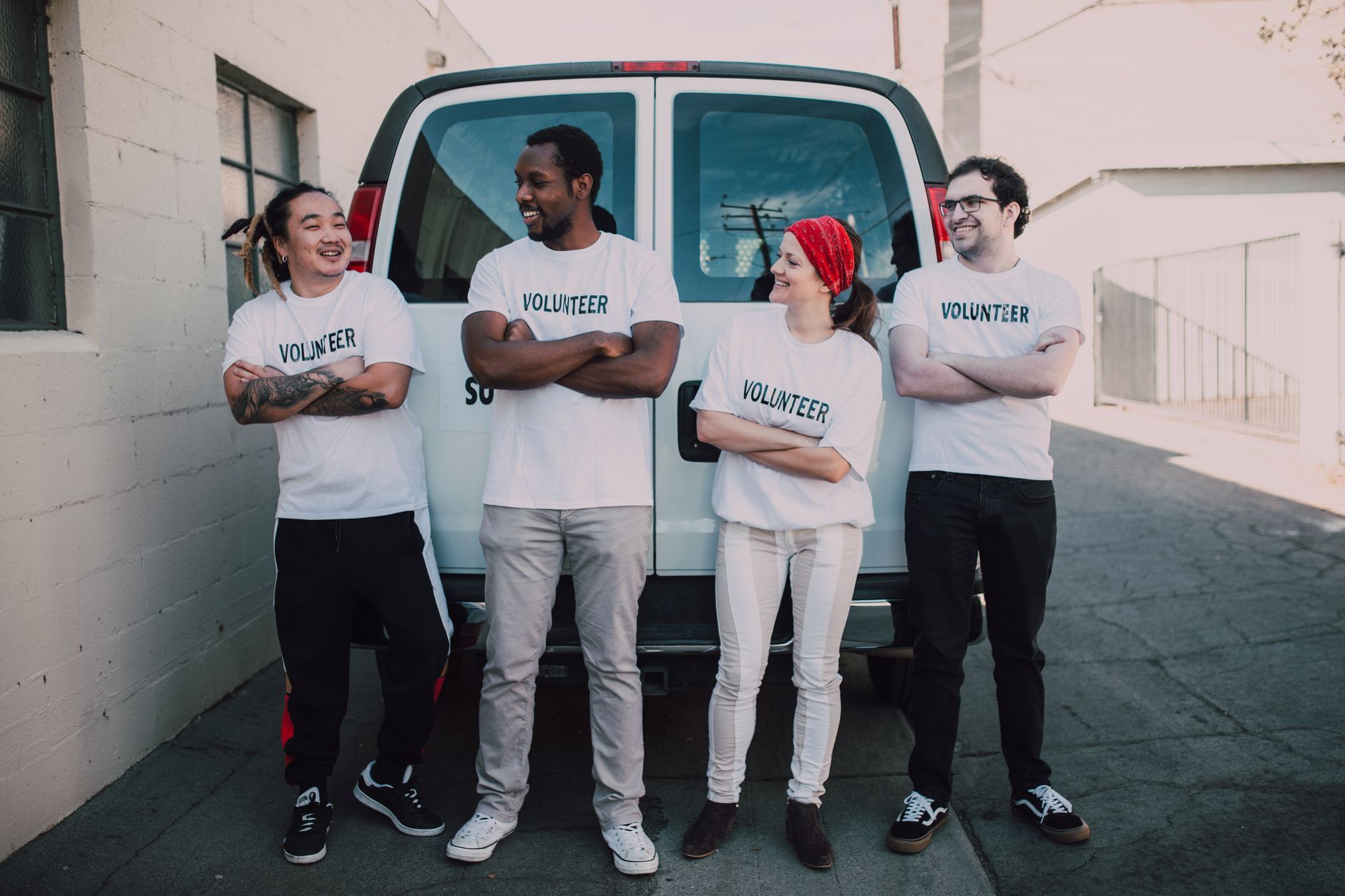
Volunteering fills gaps that money alone cannot. Charities need trustees with finance or legal experience, moderators for online support communities, and speakers willing to address rheumatology teams. A typical trustee commitment runs to four board meetings a year plus occasional subcommittee work, around 30 hours annually in total.
Awareness campaigns cluster around designated months, when landmarks are lit purple and supporters share diagnosis stories. Community groups amplify this cheaply: a single shared post from a club whose members were browsing mini bulldog puppy for sale listings reaches an audience no charity could buy for under £500 in paid advertising.
Local coordination matters most of all. Support groups meeting in libraries and community centres cost £20 to £40 per session in room hire. Sponsoring a full year of meetings, roughly £400, sits within reach of almost any club, including informal networks built around american bulldog puppy for sale near me searches.
How Can a Local Club Start Fundraising for Lupus and Antiphospholipid Causes?
Start small and structured. Pick one registered charity, agree a realistic target, and set the fundraiser up on the charity’s own platform so Gift Aid is collected automatically rather than chased later. A dog show with 60 entries at £5, a raffle using donated prizes and a cake stall reliably clears £400 to £600 in a single afternoon. Sponsored walks perform better in spring and early autumn when turnout is highest. Ask the charity for branded collection tins, banners and a named contact — most supply these free within ten working days. Publish the final total publicly, because visible results make the same group far more likely to fundraise again.
Is Antiphospholipid Syndrome the Same Condition as Lupus?
They are distinct conditions that frequently travel together. Antiphospholipid syndrome is an autoimmune clotting disorder in which antibodies attack proteins bound to phospholipids, raising the risk of deep vein thrombosis, stroke and recurrent miscarriage. Lupus is a broader autoimmune disease affecting joints, skin, kidneys and other organs, with fatigue and rashes among the common presentations. Roughly 20 to 30 per cent of people with lupus also carry antiphospholipid antibodies, and a large share of antiphospholipid syndrome cases occur alongside lupus, described clinically as secondary APS. That overlap is precisely why UK charities in this space usually cover both, sharing helplines, research funding and awareness campaigns instead of competing for identical donors.
What Share of a Donation Actually Reaches Patients?
Look at the charitable expenditure ratio in the audited annual accounts rather than at marketing claims. Well-run organisations in this field direct 75 to 85 pence of every pound to charitable activities, with 10 to 20 pence on fundraising and under 5 pence on governance and compliance. Anything below 65 pence deserves a direct question, although a temporary dip is normal when a charity invests in a new database or recruits fundraising staff. Gift Aid lifts the genuine figure further: £100 from a UK taxpayer becomes £125 at no additional cost to the donor. Community-raised money tends to perform best, since local events carry minimal overhead compared with paid advertising or agency-led appeals.